Healthcare perspective / 12 March 2026
Digital Health in 2026: Moving from ‘Live’ to ‘Optimized’
Moving beyond digital go-live to improve workflows, connect care and make healthcare technology useful in day-to-day clinical practice.
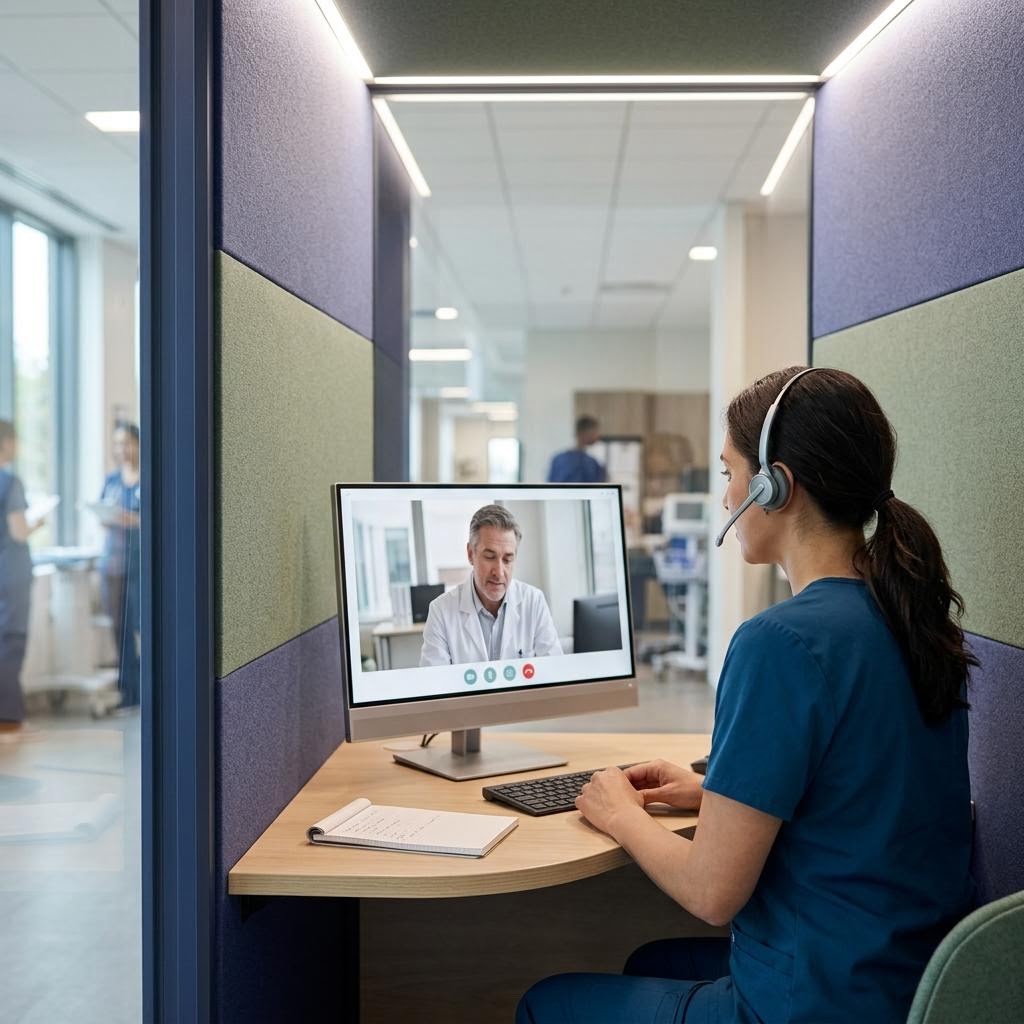
By 2026, the question in healthcare is no longer, “Do you have an Electronic Health Record (EHR)?” Every major health system, rural clinic, and aged care facility has transitioned away from paper. We have successfully achieved “Go-Live.” However, for many clinicians and administrators, the digital promise has felt more like a digital burden. We have the data, but we lack the harmony.
At Urban Healthcare, we believe the next frontier of digital transformation isn’t about buying more software; it’s about moving from basic adoption to seamless optimization.
The Interoperability Illusion
The greatest friction in modern healthcare is the “siloed” tech stack. A hospital might have a world-class EHR, a separate cutting-edge pathology system, and a third-party remote monitoring app for post-acute patients. Individually, they are brilliant. Collectively, they are often silent.
True interoperability is the ability for these systems to not just “exchange” data, but to “understand” it in real-time. When a patient’s wearable device detects an arrhythmia at home, that data shouldn’t just sit in a cloud it should automatically trigger an alert in the clinician’s primary workflow, cross-referenced with the patient’s current medication list. At Urban Healthcare, we specialize in breaking down these silos, ensuring your tech stack finally talks to itself so your clinicians don’t have to act as the manual translators.
Ending the ‘Click Burden’ and Clinician Burnout
In the early days of digitization, we inadvertently turned our most highly trained medical professionals into data entry clerks. The “Click Burden” the exhaustive number of manual entries required to complete a single patient encounter is a leading driver of clinician burnout in 2026.
Optimizing a digital ecosystem means leveraging Ambient Intelligence and AI-driven predictive care to return time to the bedside. We work with organizations to implement AI scribes and automated clinical decision support that “surfaces” the right information at the right time. The goal is simple: fewer clicks, more care. If a digital tool doesn’t save a nurse at least thirty minutes a shift, it isn’t an innovation; it’s an anchor.
The ‘Urban Approach’ to Vendor Selection
One of the most expensive mistakes a healthcare board can make is selecting technology based solely on a feature list or a budget line. Technology is not a neutral tool; it carries a “culture.” A system designed for a high-volume metropolitan ED will fail miserably in a boutique palliative care setting.
The Urban Approach starts with clinical culture, not the RFP. We act as the “Clinical Translator” during the procurement process. We don’t just ask if a vendor is HIPAA-compliant or FHIR-ready; we ask how their interface handles a rapid-response scenario. We ensure that the technology matches the way your people actually work.
From Reactive to Predictive
The shift from ‘Live’ to ‘Optimized’ culminates in Predictive Care. By utilizing the data already sitting in your EHR, we help you build early-warning systems for sepsis, patient deterioration, and even administrative bottlenecks like “bed block” before they happen.
In 2026, the digital health revolution is finally becoming human-centric. At Urban Healthcare, we ensure your technology serves your mission, rather than your mission serving the technology.